The Single-Leg Squat Test Every Athlete Should Take
One simple movement reveals more about your injury risk and athletic potential than most gym assessments combined.
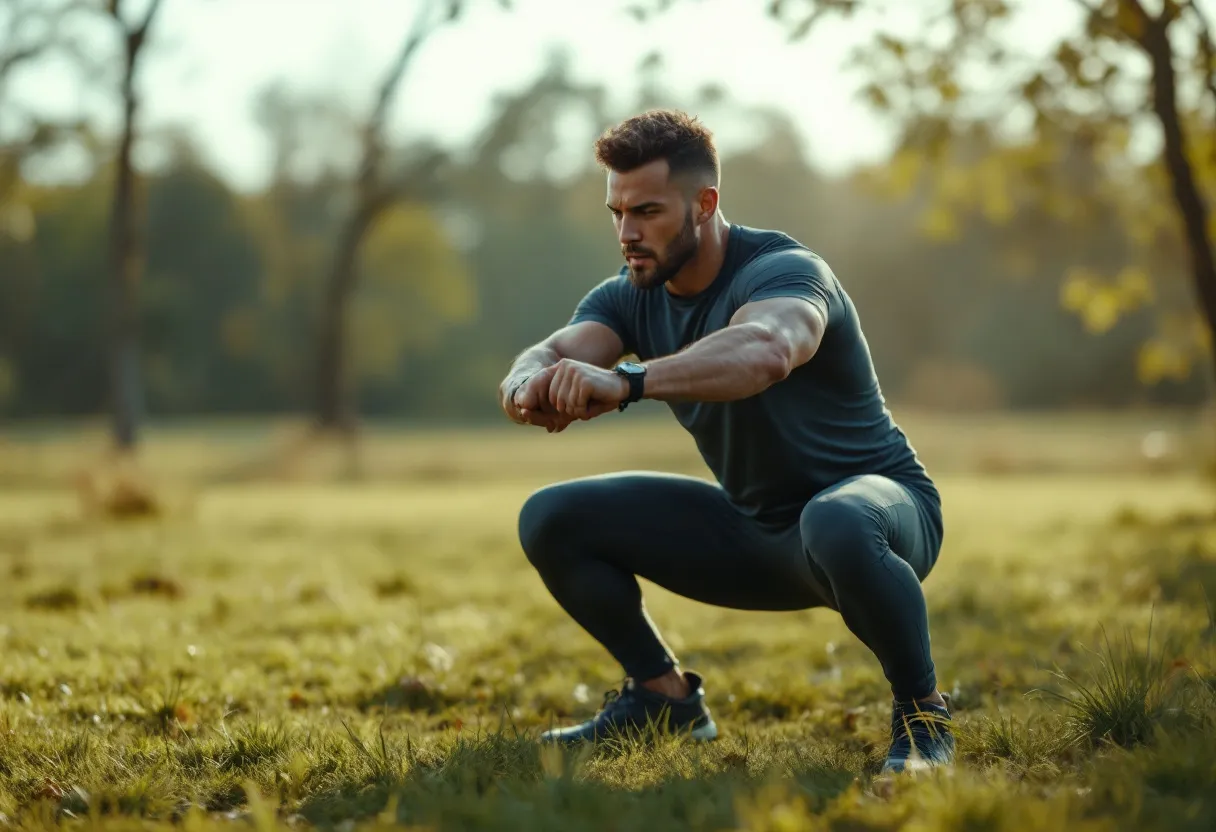
Strip away the barbells, the cables, and the heart rate monitors, and you are left with your body and gravity. The single-leg squat, sometimes called the pistol squat or the Bulgarian split squat's humbler cousin, is one of the most diagnostic movements in sport. It exposes asymmetries, mobility restrictions, and stability weaknesses that bilateral exercises routinely mask. And it costs you nothing but honesty.
Here is the test: stand barefoot on one leg, arms extended forward for balance, and lower yourself slowly until your thigh approaches parallel. Watch what happens in a mirror or have someone film you from the front. Does your knee dive inward? Does your hip drop on the opposite side? Does your torso collapse laterally? Each of these deviations tells a story, about hip abductor strength, ankle mobility, or neuromuscular control, and each carries a downstream injury risk if left unaddressed.
What the Wobble Is Telling You
Knee valgus, the inward collapse of the knee during single-leg loading, is one of the most common patterns coaches and physios flag. It often signals weakness in the gluteus medius, the small but critical muscle that stabilises the pelvis during every single stride of every run you have ever done. When that muscle is underperforming, your IT band, your patella, and your lower back all start absorbing force they were never designed to handle.
Hip drop on the opposite side, sometimes called Trendelenburg sign, points to a similar source but can also reflect core lateral stability. Torso lean suggests limited hip mobility or quad dominance. None of these are permanent problems. All of them are fixable with targeted, patient work.
How to Fix What You Find
Start by retraining the pattern without load. Resistance band work around the knees during bodyweight squats, lateral band walks, and clamshells are unglamorous but genuinely effective. Then progress to assisted single-leg squats using a door frame or TRX, focusing obsessively on keeping the knee tracking over the second toe and the hip level.
Retest monthly. The improvements come faster than most athletes expect, and the reward, running and riding with real structural integrity, shows up in sessions where you least expect it.
More stories

The Source-First Rule: Why the Best AI Social Content Starts With What You Already Know
In 2026, the editorial teams winning on social aren't generating posts from nothing, they're mining the podcasts, decks and documents they already own.

Instagram Caption AI Generators: From Cute One-Liners to Captions That Carry a Brand
The gap between a throwaway caption and one that sounds like your brand comes down to three things: what you feed the generator, whose voice it mimics, and whether it understands the platform it's writing for.

One Workspace, One Voice: How Agencies Keep AI-Generated Social Content From Bleeding Between Clients
Managing multi-client social media with AI works only when the operating model, not the tool, keeps every account's voice, source material, and drafts strictly separate.