Pack Light, Move Fast: The Minimalist Approach to Alpine Day Routes
How to strip your pack to what actually matters, and why going lighter changes the way you experience the mountains entirely.
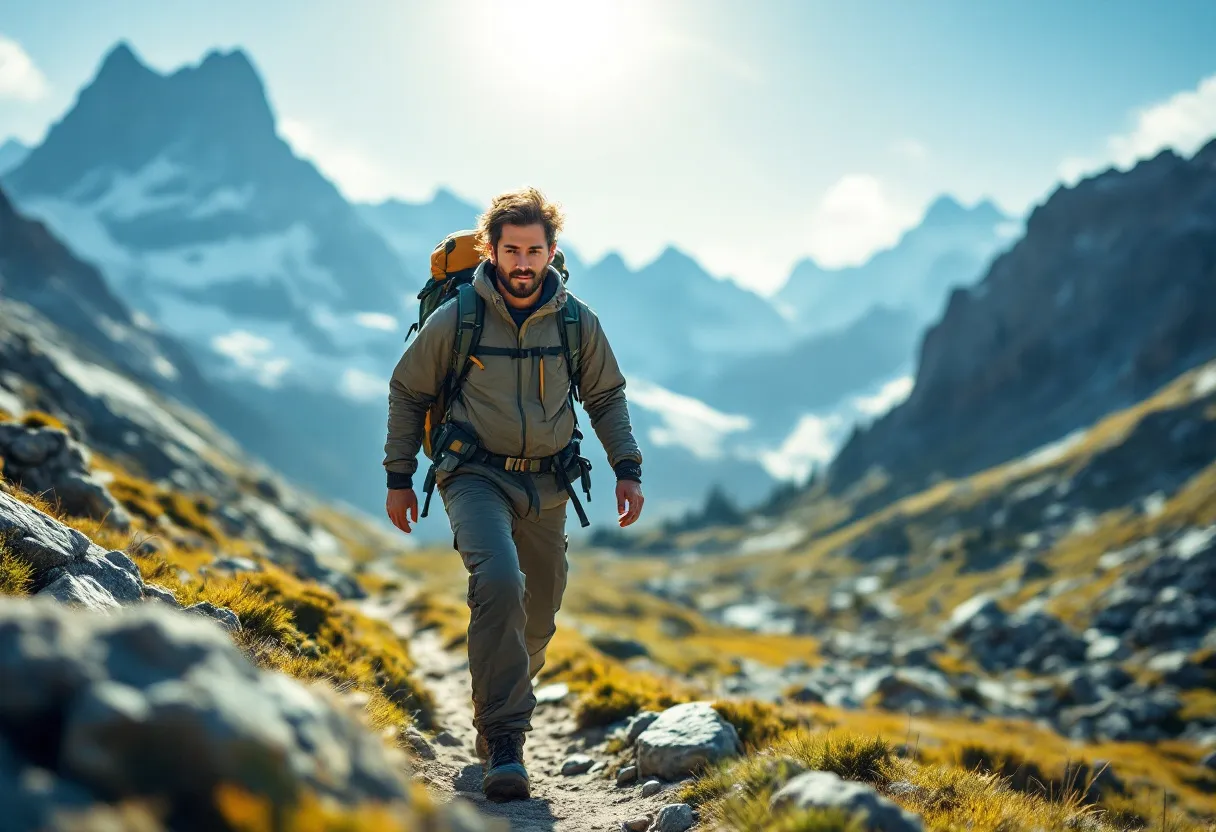
There is a tipping point in every hiker's development where the relationship with their pack inverts. Early on, the pack is comfort, more gear, more security, more options. Then, somewhere on a long ridge with four litres of water and three layers they never touched, it becomes weight. Dead weight. And the question shifts from 'what should I bring?' to 'what can I honestly leave behind?'
The minimalist approach to alpine day routes is not about machismo or recklessness. It is about intelligent assessment of actual conditions and actual risk, combined with a genuine understanding of what each item in your pack contributes. The goal is not the lightest possible pack, it is the most purposeful one.
The Non-Negotiables
Start by identifying the items that are genuinely non-negotiable regardless of route length or weather forecast. Navigation tools, map, compass, and a charged phone as backup. Emergency shelter, a lightweight bivvy sack or emergency foil blanket weighs almost nothing and changes the survival equation entirely if you are benighted or injured. First aid basics. Sufficient food and water for the planned route plus a meaningful buffer. Layers for summit conditions, because the temperature drop between valley and ridge in the Alps can exceed fifteen degrees even on a clear summer day.
Everything else is subject to honest interrogation. The full-size tripod. The third fleece. The guidebook you won't open. The second lunch when one will suffice. Each item should earn its place.
Moving Differently
Athletes who make the transition to lighter packs consistently describe the same phenomenon: the mountains feel different. Not easier necessarily, but more immediate. When you are not managing the momentum of a heavy load on descents, when you are not stopping to adjust straps on every steep section, you begin to move with the terrain rather than against it. Your attention shifts outward, to the rock, the weather, the route, rather than inward to your own discomfort.
Start small. On your next familiar route, leave one thing behind that you usually bring and don't need. Then two. Learn your own minimums. They are almost certainly lighter than you think.
More stories
Reading Mountain Weather Before It Reads You
The skills that keep experienced alpinists safe have almost nothing to do with equipment, and everything to do with observation.

The Source-First Rule: Why the Best AI Social Content Starts With What You Already Know
In 2026, the editorial teams winning on social aren't generating posts from nothing, they're mining the podcasts, decks and documents they already own.

Instagram Caption AI Generators: From Cute One-Liners to Captions That Carry a Brand
The gap between a throwaway caption and one that sounds like your brand comes down to three things: what you feed the generator, whose voice it mimics, and whether it understands the platform it's writing for.